Creating the Ideal Custom Vegetable Boxes: A Methodical Approach
Designing custom produce boxes demands a strategic strategy. Professionals must consider environmental responsibility, practicality, and visual appeal. Selecting the suitable components is crucial for maintaining freshness and promoting environmentally conscious methods. Additionally, size and shape can significantly impact ease of use and shipping effectiveness. Compelling graphics strengthen brand identity, while detailed assessment ensures longevity. Understanding these components will reveal key understanding into creating standout container strategies that appeal with customers. What follows is fundamental to accomplishing those targets.
Choosing the Right Materials for Custom Produce Boxes
When selecting materials for custom produce boxes, it is vital to examine both practical use and sustainability. The type of material substantially shapes the box's durability, weight, and ability to protect the contents. Common materials include corrugated cardboard, which renders strength and is able to be reused, making it a favored choice for eco-conscious businesses. Biodegradable options, such as molded pulp or plant-based plastics, also correspond with eco-conscious practices while providing adequate protection for delicate produce.
Furthermore, moisture resistance is essential for maintaining freshness, prompting some producers to investigate processed substrates or specialized coatings. The aesthetic appeal of the box is important to consider, as packaging design and brand identity can affect customer outlook. Ultimately, the right material should find equilibrium between safeguarding the product, appealing to customers, and meeting sustainability requirements, guaranteeing that practicality and eco-consciousness are emphasized in the design process.
How to Opt for Size and Shape for Functionality?
When choosing the form and dimensions of custom produce boxes, thorough evaluation of produce measurements is essential for proper storage. Additionally, considerations for handling and transport can impact the box structure, guaranteeing ease of movement. Optimizing shelf space usage further improves functionality, enabling efficient display and storage.
Assess Produce Dimensions Carefully
Picking the optimal proportions and form for fruit containers is necessary for efficiency and effectiveness. Meticulous examination of produce size is paramount, as it ensures that products fit snugly without superfluous space that might cause damage during transport or warehousing. Custom-designed containers need to accommodate diverse configurations, from delicate berries to substantial vegetables, while maintaining structural integrity. Moreover, the vertical and horizontal measurements of the boxes should facilitate layered storage and organization, utilizing space in storage locations. A skillfully made box not only protects the produce but also enhances attractiveness for consumers. In conclusion, careful consideration of dimensions supports curtailing losses and boosting overall user experience in the supply chain.
Evaluate Handling and Transport
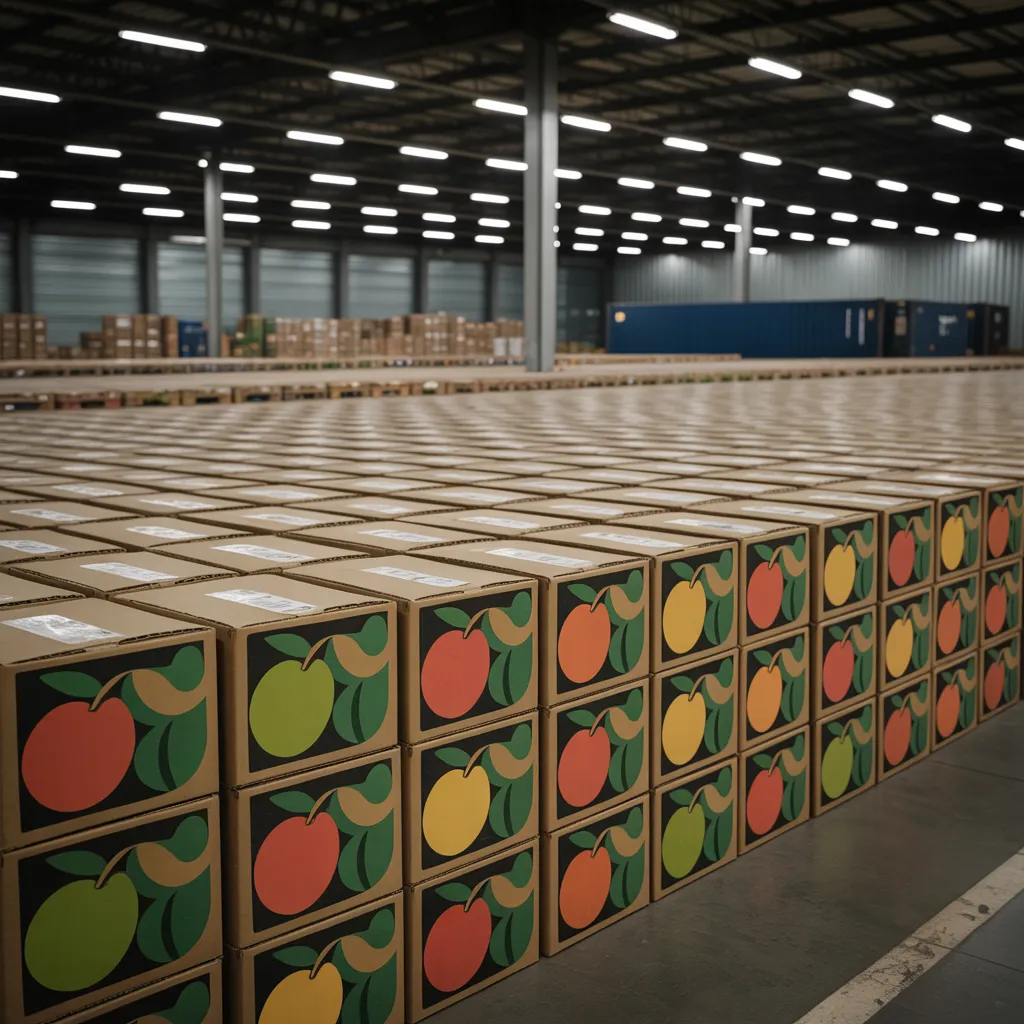
Shipping and handling considerations play a important role in determining the appropriate dimensions and form of custom produce containers. The measurements must accommodate the produce without excessive room, which could lead to movement and injury throughout transport. Smaller, compact boxes assist with simpler handling, while larger boxes may be needed for larger products. Additionally, ergonomic design is vital; grips or access points should be deliberately placed to permit pleasant lifting and transporting. The shape of the box also impacts stacking and stability, ensuring that products stay secure. Ultimately, thorough evaluation of such factors enhances the productivity of transport, cuts down product waste, and upholds the general integrity of the produce starting farm to end user.
Maximize Shelf Space Efficiency
Optimizing shelving performance is contingent upon choosing the suitable size and shape of specialized agricultural containers. Planners should evaluate the size specifications of the storage systems as well as the types of crops being placed. Rectangular boxes often boost room optimization, permitting for more straightforward organization and positioning. In contrast, non-standard forms can heighten design appeal but may cause unused space if not strategically planned.
It's crucial to evaluate the stock movement metrics; faster-moving items might benefit from smaller, easily accessible boxes. Additionally, incorporating flexible or customizable structures can accommodate varying sizes of produce while optimizing shelf organization. By emphasizing functionality along with aesthetics, companies can develop a practical and visually appealing display that enhances both accessibility and product visibility.
How to Design Graphics That Capture Attention?
Engaging graphics can convert a basic custom produce box into a visual masterpiece that captures attention. To achieve this, designers should start by selecting a color scheme that showcases the vitality and energy of the produce. Vibrant, striking colors can inspire sensations of freshness and wellness, driving consumers to take a second glance.
Strong typefaces remains equally important; clear and legible fonts can successfully convey key details while boosting visual appeal. Moreover, employing high-quality images of the goods can create an immediate connection, highlighting the item's caliber and enticing prospective customers.
Furthermore, incorporating original designs and artwork can assist in setting apart the brand in a congested market. Steadiness in design elements, such as logos and taglines, bolsters brand identity. Ultimately, a blend of originality and lucidity in graphic design can greatly boost the impact of custom produce boxes, making them stand out on shelves.
Eco-Friendly Practices for Custom Produce Box Wrapping
A mounting count of businesses are adopting environmentally responsible practices for custom produce box packaging, recognizing its relevance in today's ecologically aware market. These protocols often incorporate the use of biodegradable materials, such as recycled paper and plant-based plastics, which minimize environmental impact. Companies are also focusing on sustainable sourcing, ensuring that materials are obtained from responsibly managed forests or suppliers who prioritize environmental stewardship.
Also, many brands are selecting simple approaches that lower waste while still successfully displaying their products. This method not only attracts eco-minded consumers but also helps in cutting production costs. Moreover, businesses are progressively implementing streamlined manufacturing processes that limit energy consumption and waste generation. By integrating these sustainable practices, companies not only improve their brand image but also contribute positively to the planet, aligning their operations with a sustainable future.
Examine Your Custom Produce Box Design
Assessing the structure of specialized fruit containers is a vital step in verifying they meet both aesthetic and functional specifications. This method generally entails examining factors like resilience, size, and usability. First, test versions need to be created to test the box's structural integrity, ensuring it is able to endure delivery and warehousing without compromising the contents.
Subsequently, usability evaluations can be initiated to determine how conveniently the boxes can be opened, shut, and stacked. Remarks from end users can be vital in this step, communicating insights into the box's practicality.
Additionally, the visual impact of the design should be examined through focus groups or surveys, gauging consumer feedback to branding elements, color palettes, and overall presentation.
In the end, comprehensive evaluation permits designers to enhance the box, ensuring it not only appeals to customers but also adequately protects and showcases the produce within, striking the right balance between form and function.
Promoting Your Custom Produce Boxes Successfully
Impactful promotion of custom produce boxes demands a well-planned strategy that highlights their unique features and benefits. Businesses must concentrate on identifying their intended customers, such as local farms, grocery stores, or individual consumers. Capitalizing on social media platforms can enhance market visibility, showcasing the boxes' design and practicality through compelling visuals and storytelling.
Additionally, teaming up with neighborhood advocates and farming professionals can strengthen standing and expand reach. Delivering promotions or discounts during peak demand times can capture early customers and encourage repeat business.
Furthermore, emphasizing environmental sustainability and green values in marketing materials can appeal to environmentally conscious consumers. Presenting in-depth information about material sources and the advantages of bespoke packaging designs can better establish the brand in a saturated marketplace.
Ultimately, a comprehensive promotional plan that combines digital and community-based initiatives will effectively promote custom produce boxes, attracting a varied clientele and driving sales.
Frequently Requested Questions
What Are the Costs Associated With Custom Produce Box Design?
Costs regarding custom produce box design feature materials, printing, labor, and freight. Also, design services and minimum order quantities can modify total costs, creating different pricing read more structures based on unique needs and manufacturing scale.
How Long Does Manufacturing of Bespoke Boxes Take?
Production of tailored boxes generally demands two to six weeks. Important elements shaping this timeframe encompass design complexity, sourcing of materials, and production capacity, all of which may affect shipping timelines and lead times.
Can I Acquire a Compact Quantity of Made-to-Order Produce Boxes?
Yes, small quantities of bespoke produce containers can typically be placed. Many suppliers extend baseline order amounts, permitting organizations or people to procure tailored packaging solutions without having to dedicate to large amounts from the beginning.
What Are Typical Mistakes to Avoid in Personalized Box Layout?
Common mistakes in custom box design include overlooking functionality, ignoring brand consistency, undervaluing material quality, not considering target audience preferences, and overlooking environmental impact. Each aspect is essential for effective packaging and customer satisfaction.
How Do I Verify My Boxes Are Food-Compliant?
To guarantee boxes remain food-safe, you should choose materials certified for food contact, prevent dangerous inks and adhesives, preserve cleanliness during production, and regularly test for compliance with health regulations and safety standards.